Rider Hand Signals

Why hand signals matter

In off-roading, your usual means of communication might fall short. Engine noise, distance, and lack of cell service can make it difficult to convey important information verbally. That’s where hand signals become invaluable. These universal signals enable off-roaders to communicate quickly, clearly, and effectively with other drivers.

Essential off-roading hand signals

Safe off-roading relies on clear coordination. Hand signals are fairly universal, so even new riders can recognize basics like stop, slow, and obstacle. 
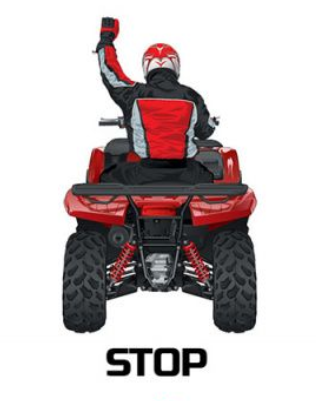
stop hand signal
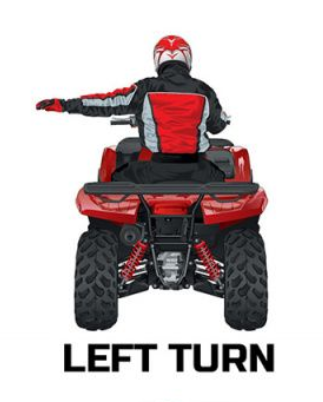
left turn hand signal
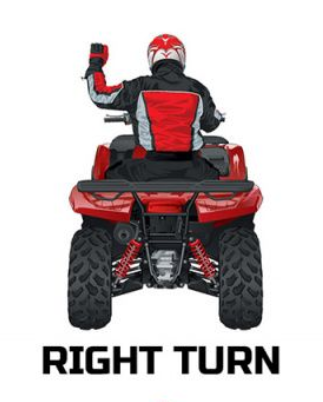
right turn hand signal
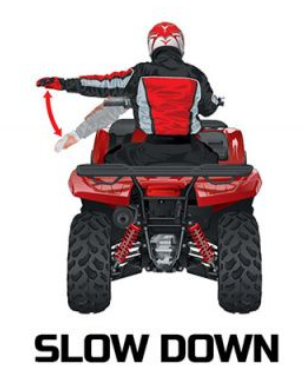
slow hand signal
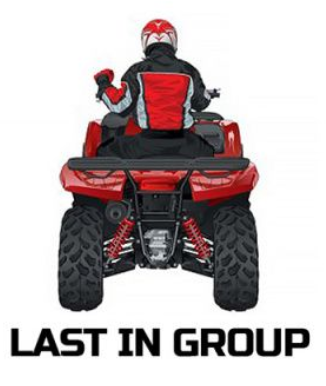
last in group hand signal
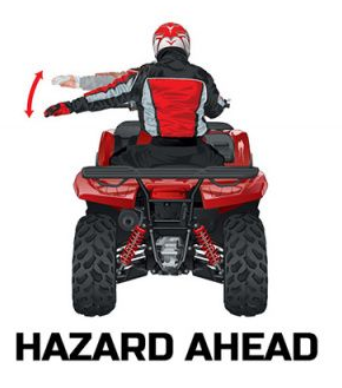
hazard ahead hand signal

Basic Riding & Turning Signals

  • Left Turn: Extend your left arm straight out to the side, parallel to the ground.

  • Right Turn: Extend your left arm out with the elbow bent at a 90-degree angle and your palm open (or raise your left forearm straight up).

  • Stop: Extend your left arm straight up into the air with your palm open (or a closed fist)

  • Slow Down: Extend your left arm out and angle it slightly downward, moving it up and down in a patting motion.

Group & Oncoming Traffic Signals

  • Last Rider in Group: Hold up a closed fist in the air to signal that you are the final rider in the group. 

  • Oncoming Traffic / Hazards: Tap the top of your helmet or pat your head with an open palm to signal that other riders or traffic are approaching.


Scroll to Top